SECTOR FOCUS — RETAIL
Tariffs move the number. The existing shell moves the schedule.
We track this market closely — tariff exposure and the shift toward adaptive reuse are the two forces actually shaping a retail build right now.
This page reflects general industry practice and BuildIQ Advisors' professional perspective as of publication. It is not tailored to any specific project, does not constitute engagement-specific advice, and does not create an advisory relationship. Verify current codes, standards, and site-specific conditions independently before acting.
CURRENT CHALLENGES
Tariffs are a direct, material cost driver.
As of an April 2026 baseline, revised by a June 1, 2026 proclamation effective June 8, steel, aluminum, and copper items made entirely or mostly of those metals still carry a 50% tariff and derivatives still sit at 25%. Industrial and electrical equipment incorporating those materials sits at a 15% transitional rate — expanded in June to cover more equipment categories — but guaranteed only through December 31, 2027, after which it reverts absent further action. Softwood lumber still carries 10% (25% for derivatives). Materials where the tariffed metal is under 15% of the item's weight are exempt from Section 232 metals tariffs entirely, which matters for mixed-material fixtures and millwork more than raw structural steel. Tariffs had pushed total construction material costs up roughly 6% relative to a 2024 baseline and total project costs up about 3% as of the April reading, with roughly 70% of contractors reporting tariff impact on active projects — those two aggregate figures haven't been re-run against the June changes and should be read as directional, not current. Retail tenant-improvement buildout costs as of mid-2026 run $40–90/SF for basic retail, $90–180/SF for mid-tier retail and apparel, and $150–300/SF for premium retail — with landlord-delivered shell condition alone swinging cost 30–50%, and metro location driving a spread exceeding 90% between the cheapest and most expensive major markets. Roughly 500,000 workers are needed nationally in 2026 to meet construction demand, with about 94% of contractors reporting difficulty filling open positions.[1][2]
WHAT SHOULD BE CONSIDERED TO OVERCOME THEM
HOW IT'S ACTUALLY GETTING BUILT
Early procurement and price-escalation clauses
Proven and increasingly standard, not emerging
Quarterly resets, plus systematically auditing open bids for tariff exposure, are now standard practice on well-run retail projects given how broadly tariffs are being felt. The tradeoff: early procurement of tariff-exposed materials commits capital and locks specifications before design is fully resolved — the design has to fit what's already ordered, not the reverse.[3]
Adaptive reuse of vacant big-box retail, obsolete office, and low-clear warehouse space
Proven and the leading current strategy for retail specifically — the per-square-foot figure is directional, not a confirmed data point
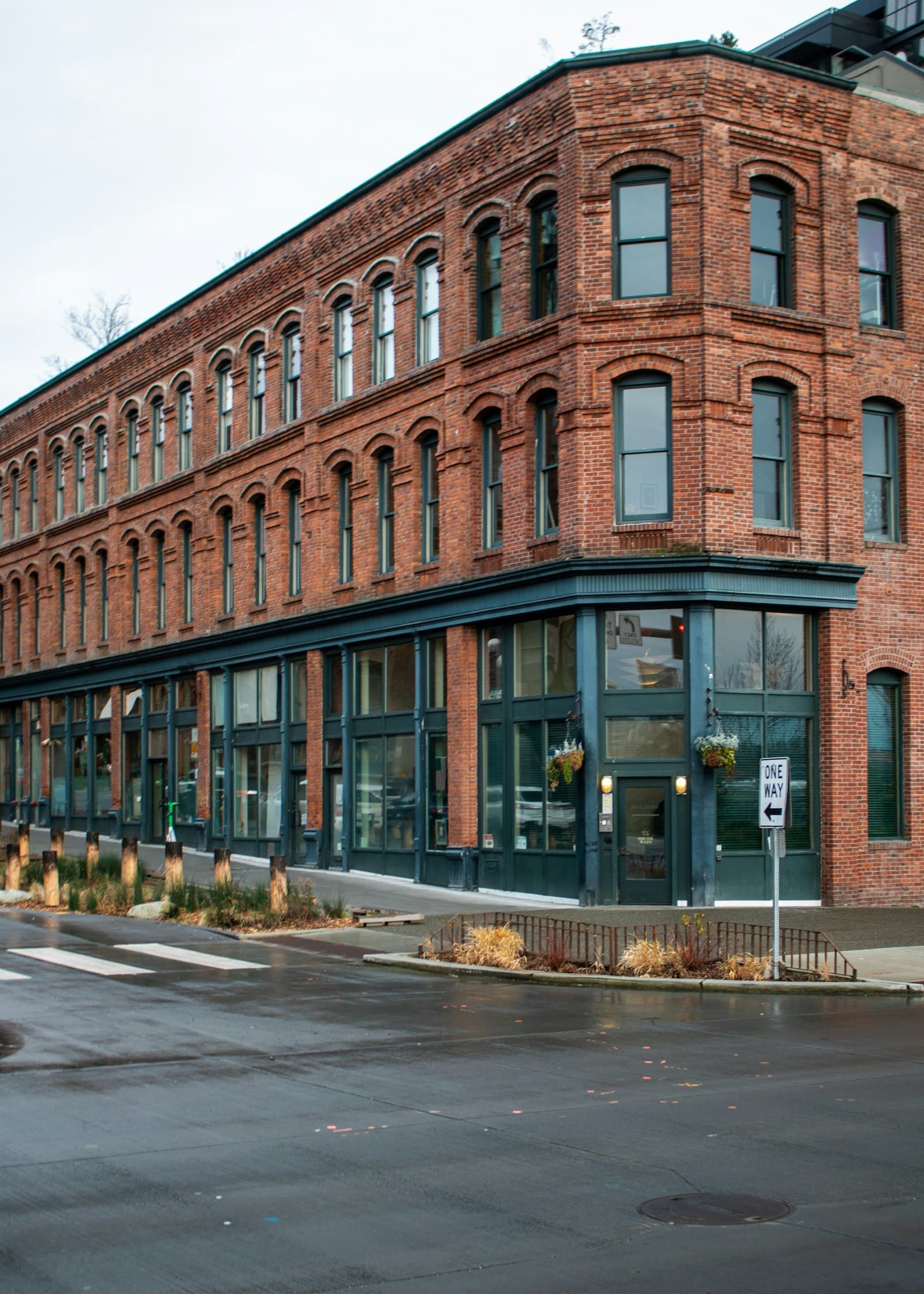
Industry cost trackers put it at roughly 40–60% of ground-up cost, in the neighborhood of $35–70 per square foot by some estimates, pulling rent commencement forward 6–10 months. The tradeoff: adaptive reuse of an existing shell inherits that shell's clear height, column spacing, and loading configuration — a retail tenant whose prototype doesn't match the existing bones faces a much more expensive retrofit than the headline savings suggest, once those specific mismatches surface.[4]
Standardized layouts and prefabricated wall and floor assemblies
Proven — the same pattern seen across every other sector's prefab discussion
Offset labor scarcity by moving field hours into controlled production. What's genuinely unsettled: tariff policy is a live variable, not a settled backdrop — it already moved once, when the June 1, 2026 proclamation carved out a broader, but explicitly temporary, 15% rate for more equipment categories, good only through December 31, 2027. Any procurement or escalation-clause strategy locked in today is a bet on today's schedule holding past that date, not a five-year plan to build on.
WHAT WE WOULD HELP THEM NAVIGATE
- Verifying which specific tariff-exposed materials — steel, aluminum, copper-based electrical — are actually in this project's scope, and whether price-escalation clauses are actually written into subcontracts, not just discussed at a high level.
- Testing whether ground-up versus adaptive reuse of an existing shell is the more defensible economic path for this specific site, given the real current-market advantage of reuse where the shell fits.
- Confirming the actual condition of an existing shell — structural capacity, MEP capacity, clear height — before the prototype is finalized against it, not after the lease is signed.
- Testing whether the tenant-improvement allowance reflects current 2026 per-square-foot benchmarks for this retail tier and market, or a stale prior-year number that understates real cost.
- Checking whether this project's specific equipment and fixtures — including any HVAC units — fall under a current carve-out or the under-15%-metal-content exemption, rather than assuming the headline rate applies across the board. Trade-compliance reporting describes the June 2026 HVAC carve-out as residential-specific; whether a given commercial rooftop package unit qualifies is a real, per-SKU classification question, not a blanket answer, and it's exactly the kind of granular check that changes a bid number.
WEEK-ONE QUESTIONS
WEEK ONE — WHAT WE'D ASK ON A PROGRAM LIKE THIS
- 01
Which specific tariff-exposed materials are actually in this project's spec, and is there a price-escalation clause with the GC and subs protecting against further tariff movement?
- 02
Is early procurement of tariff-exposed items actually underway, or assumed for later in the schedule?
- 03
For a build in an existing shell, what is its actual structural and MEP condition versus what was assumed in the pro forma?
- 04
Does the tenant-improvement allowance reflect current benchmarks for this retail tier and market, or a stale number?
Professional Services Disclosure
BuildIQ Advisors provides construction advisory and consulting services under signed engagement agreements, performed to the standard of care customary for the industry. We are not a licensed architecture, engineering, accounting, or law firm — advice requiring those licenses should come from one. Engagement terms govern each project.